Loading...
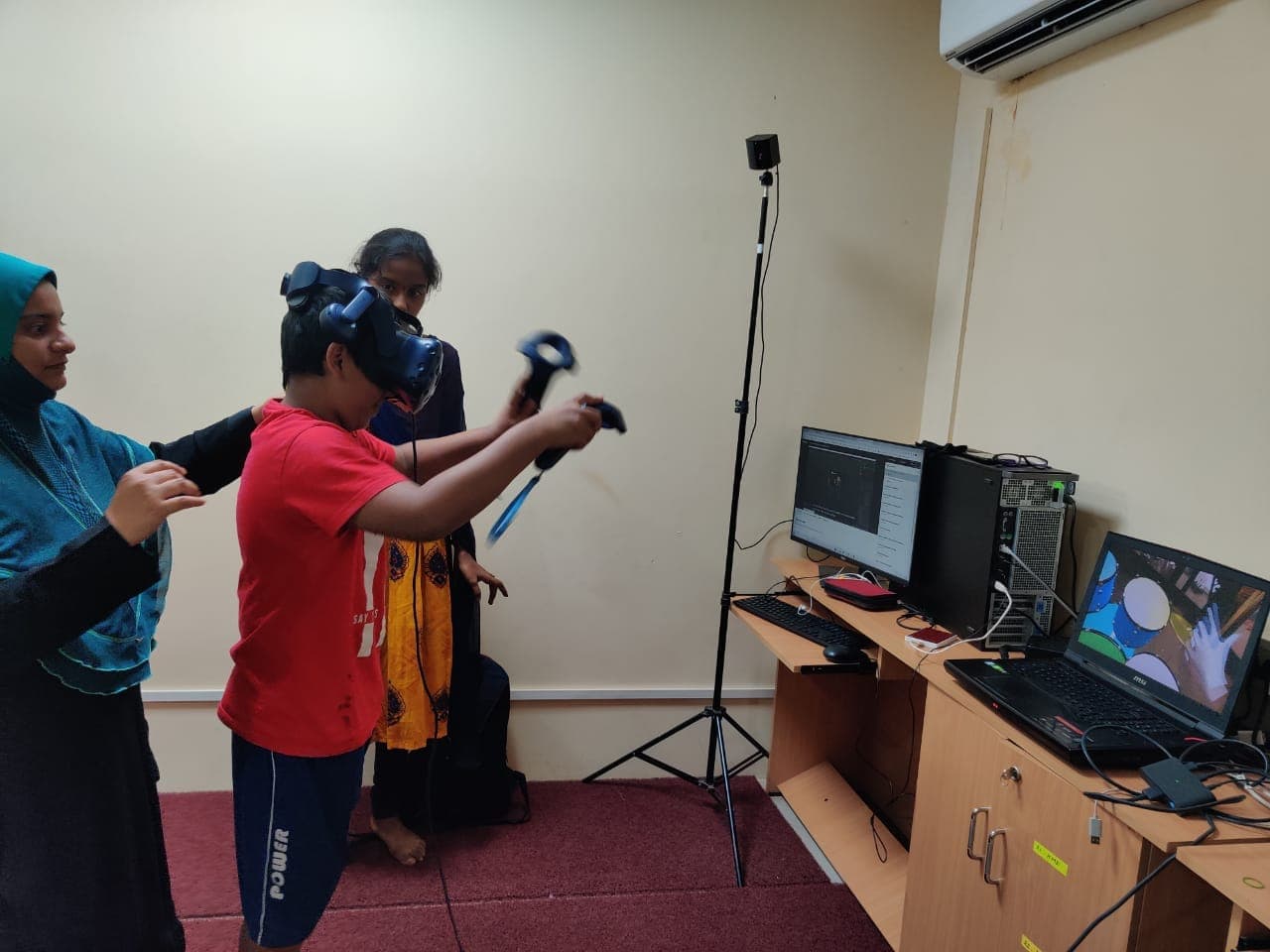
Where technology meets therapy
A decade of research, development, and real-world impact — from the VR lab at TCE Madurai to special school classrooms across South India.
8+
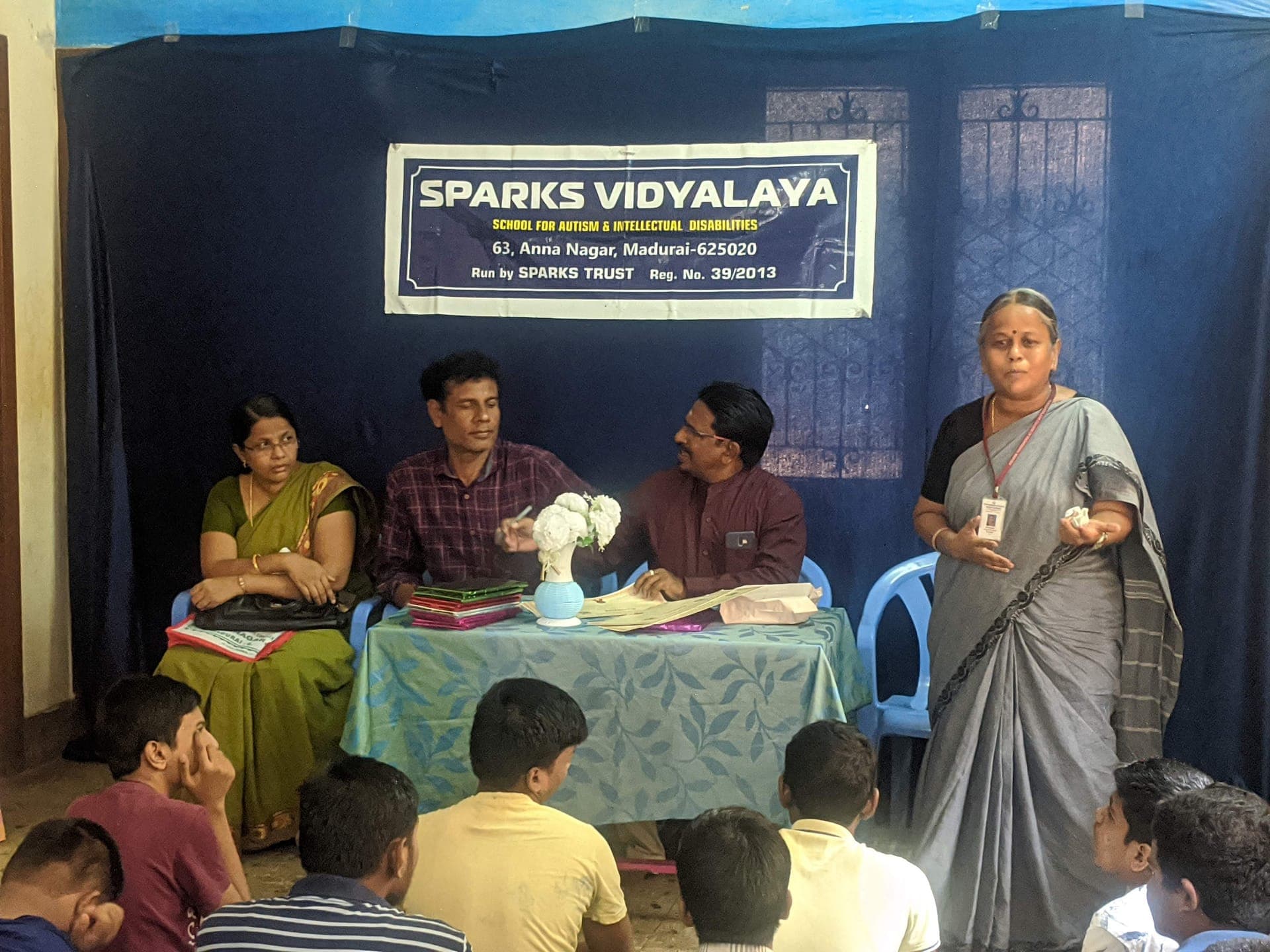
Schools
1000+
Children
33
Publications
80+
Students
The Challenge
18 million children in India live with autism.
Traditional therapy is expensive, inaccessible in rural areas, and often intimidating for children. Many families travel hours for a single session. Therapists are stretched thin. Children who need the most consistent support are the ones who receive the least.
Virtual reality changes the equation. It creates a controlled, repeatable, engaging environment where a child can practice social interactions, motor skills, and cognitive tasks at their own pace — without fear of failure.
8+
Schools
1000+
Children
Three pillars of care
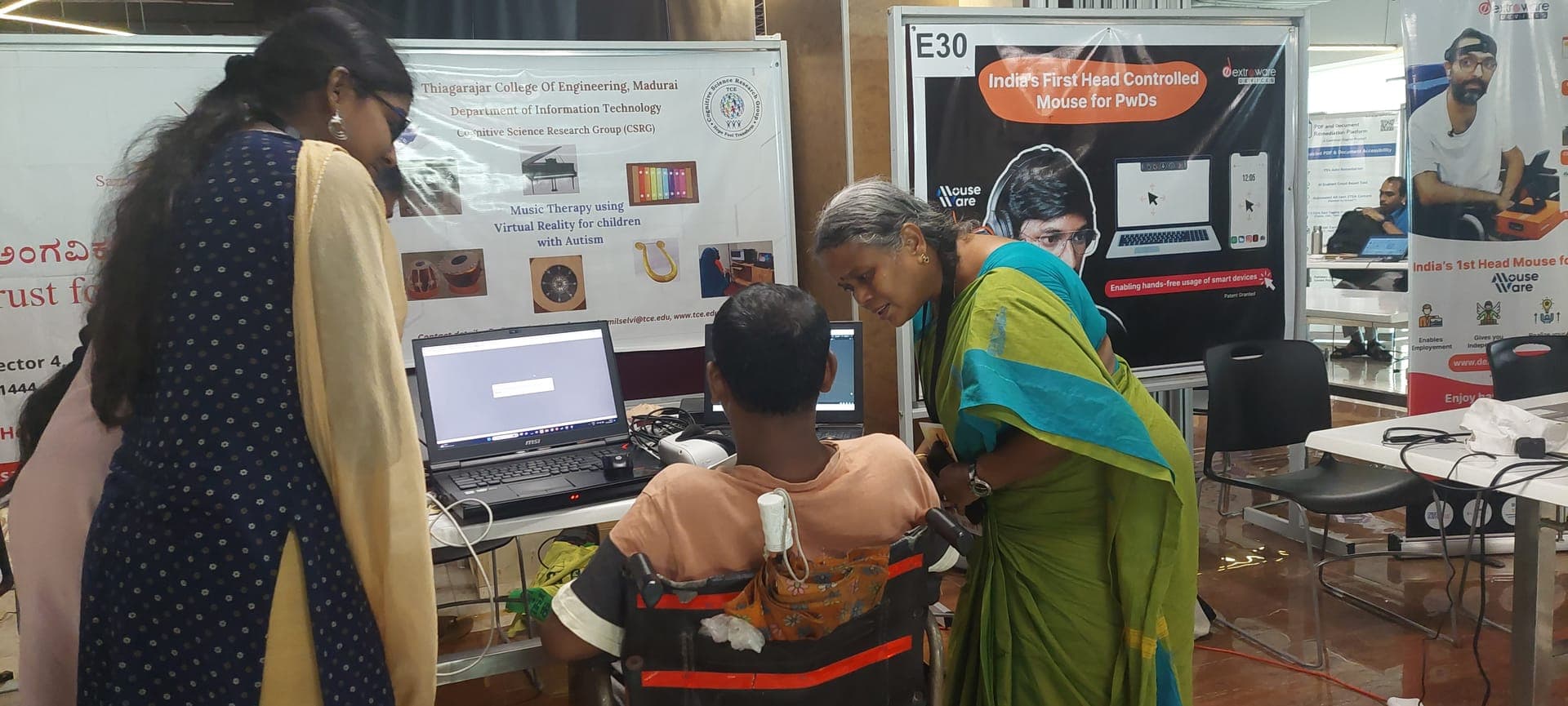
Safe VR Environments
Purpose-built virtual worlds — enchanted forests, ocean scenes, daily-life simulations — designed with therapists to match each child's comfort level and therapy goals.
Compare & Contrast Method
A structured methodology that enables therapists to assess cognitive and behavioral progress through repeated VR interactions, comparing responses across sessions.
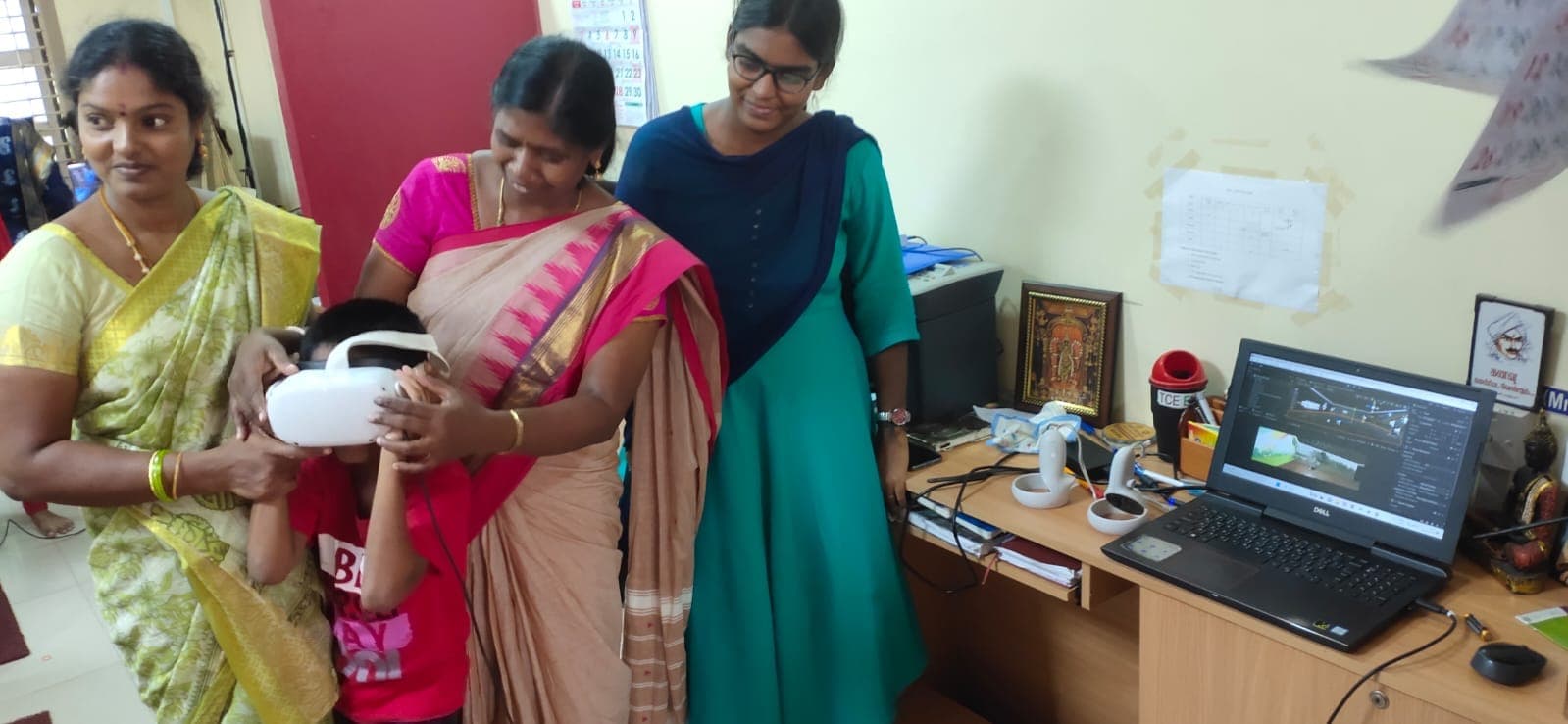
Multi-Stakeholder Loop
Therapists, parents, teachers, and doctors all participate in the feedback cycle — ensuring the technology adapts to each child, not the other way around.
Purpose-built therapy environments
Each designed with therapists, tested with children, refined through real-world use.
VR Therapy Environment
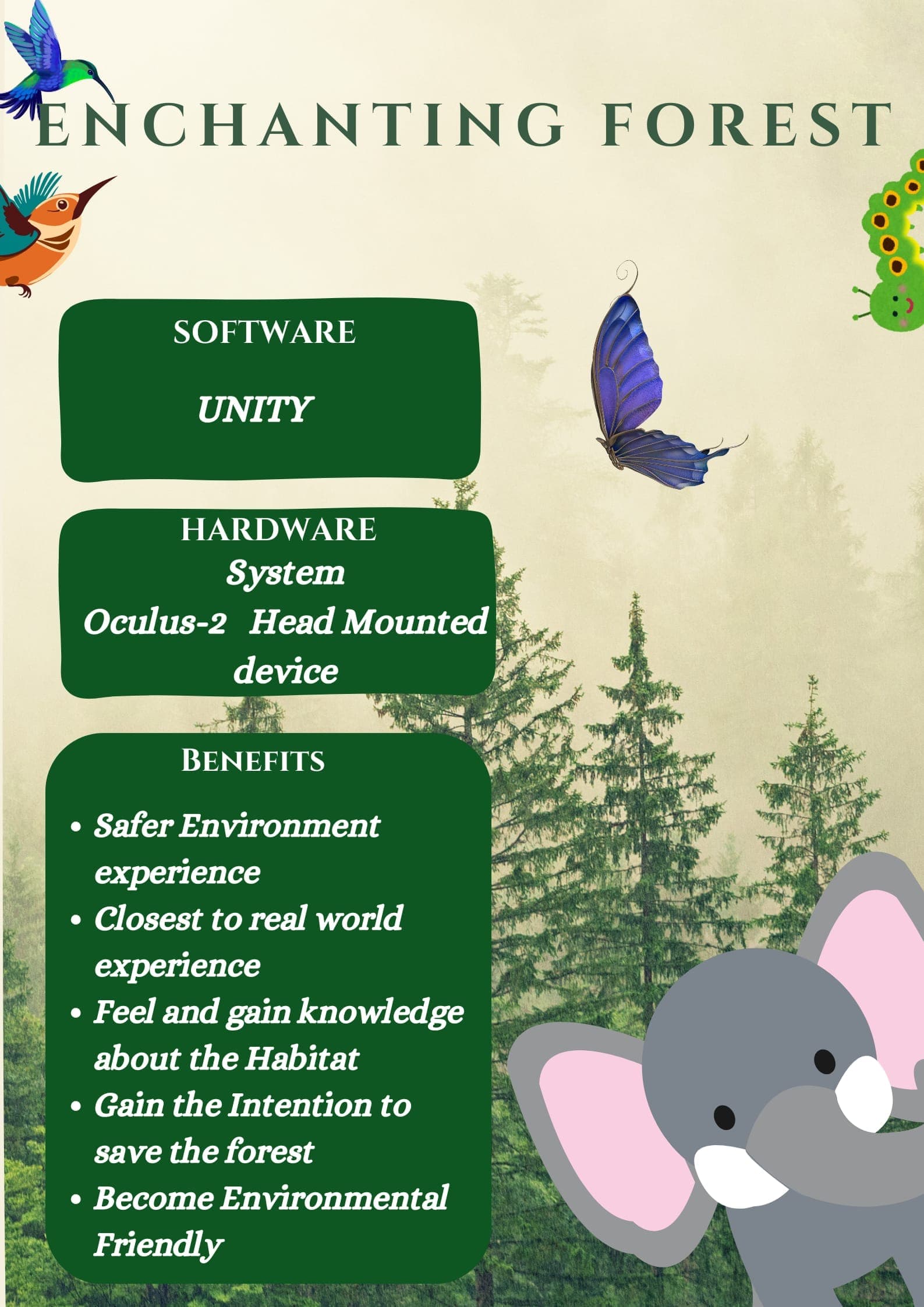
Enchanting Forest
A calming forest setting for sensory regulation and attention training. Children navigate paths, identify animals, and respond to audio cues.
VR Therapy Environment
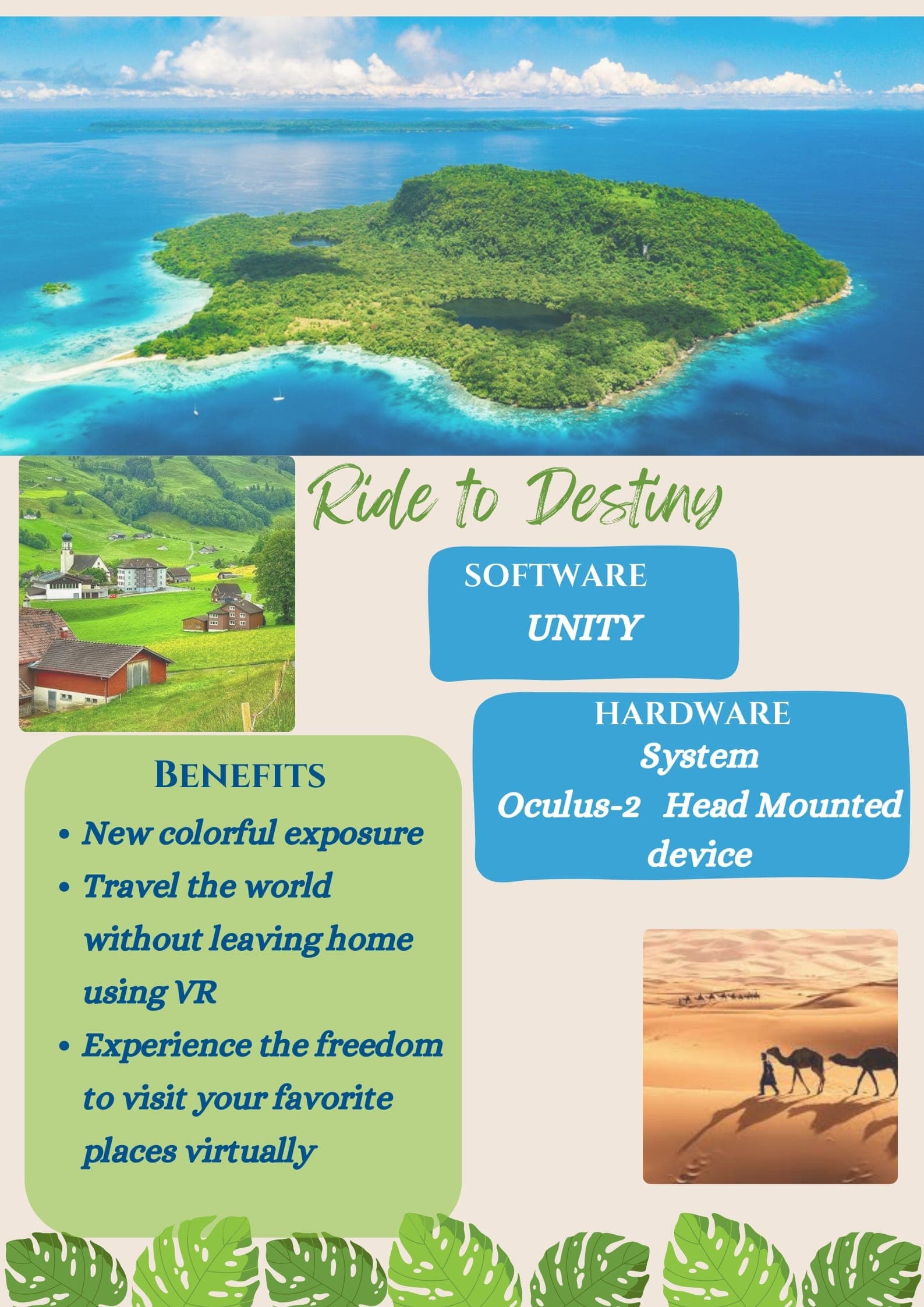
Ride to Destiny
Interactive journey for decision-making and social cognition. Gamified challenges with cause-effect learning.
VR Therapy Environment
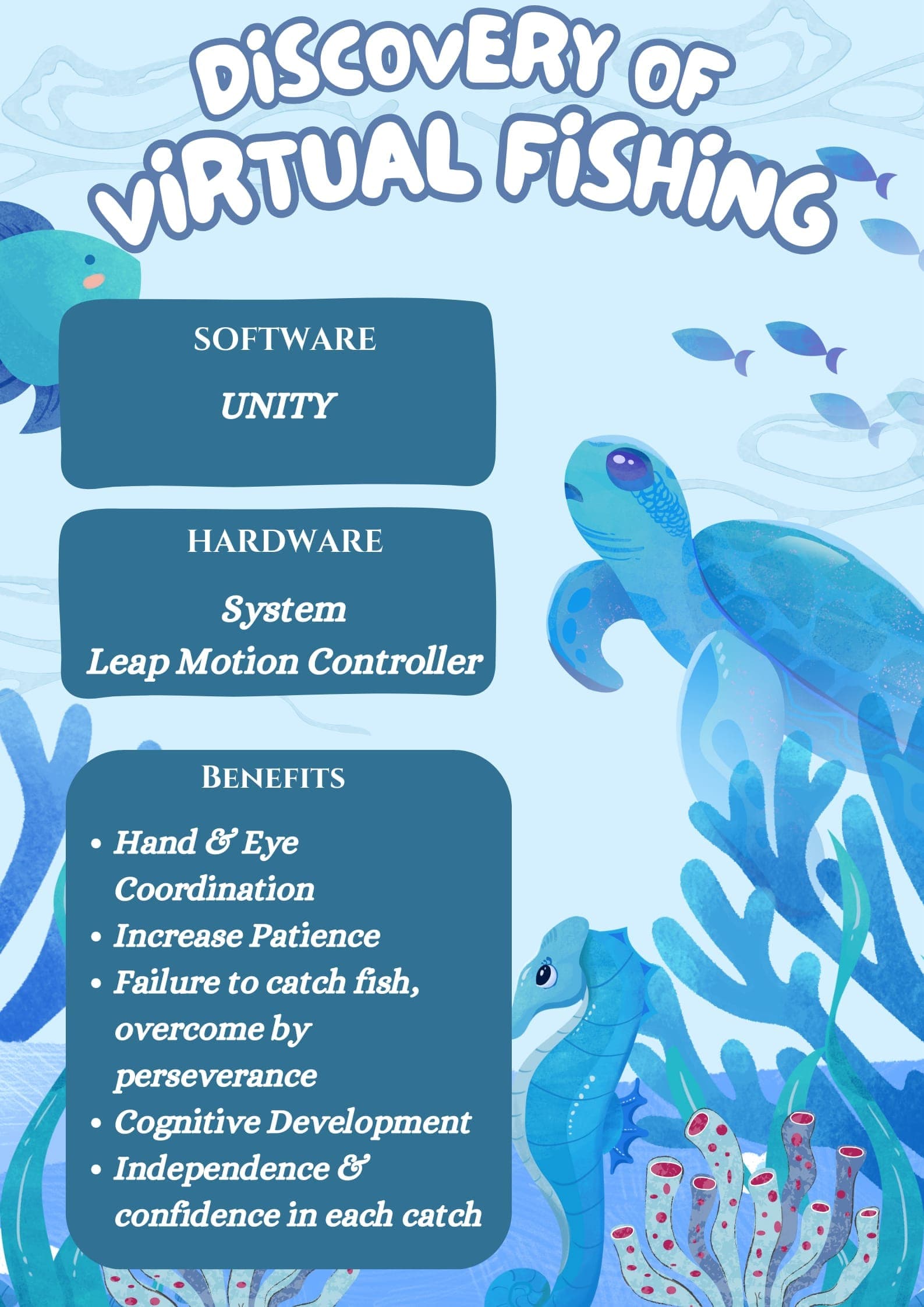
Virtual Fishing
Motor coordination and patience-building. A low-pressure aquatic activity for children with autism.
Daily Living Skills
Kitchen Safety Simulation
Teaching kitchen safety and cooking basics in a risk-free virtual environment.
Community Skills
Traffic Awareness Module
Simulated road crossing and traffic navigation for building real-world independence.
Communication
Social Interaction Trainer
Guided social scenarios for practicing greetings, conversations, and emotional recognition.
Infrastructure
The VR Lab at TCE Madurai
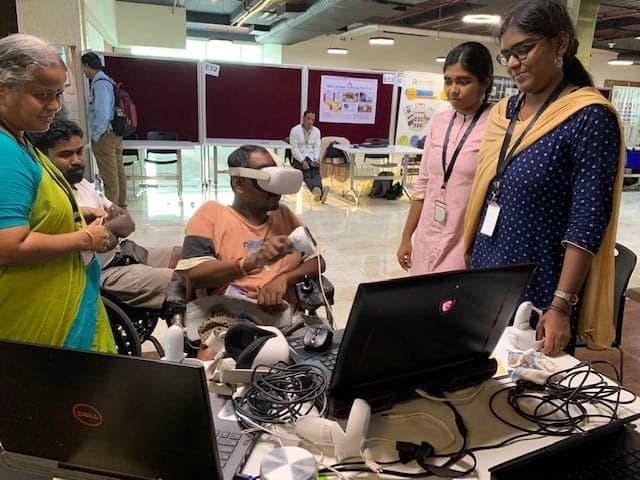
Established in 2018 with a DST-CSRI grant of Rs. 33.8 Lakh. Where engineering meets therapy — housing HTC Vive Pro and Meta Quest headsets, motion sensors, and purpose-built therapy software.
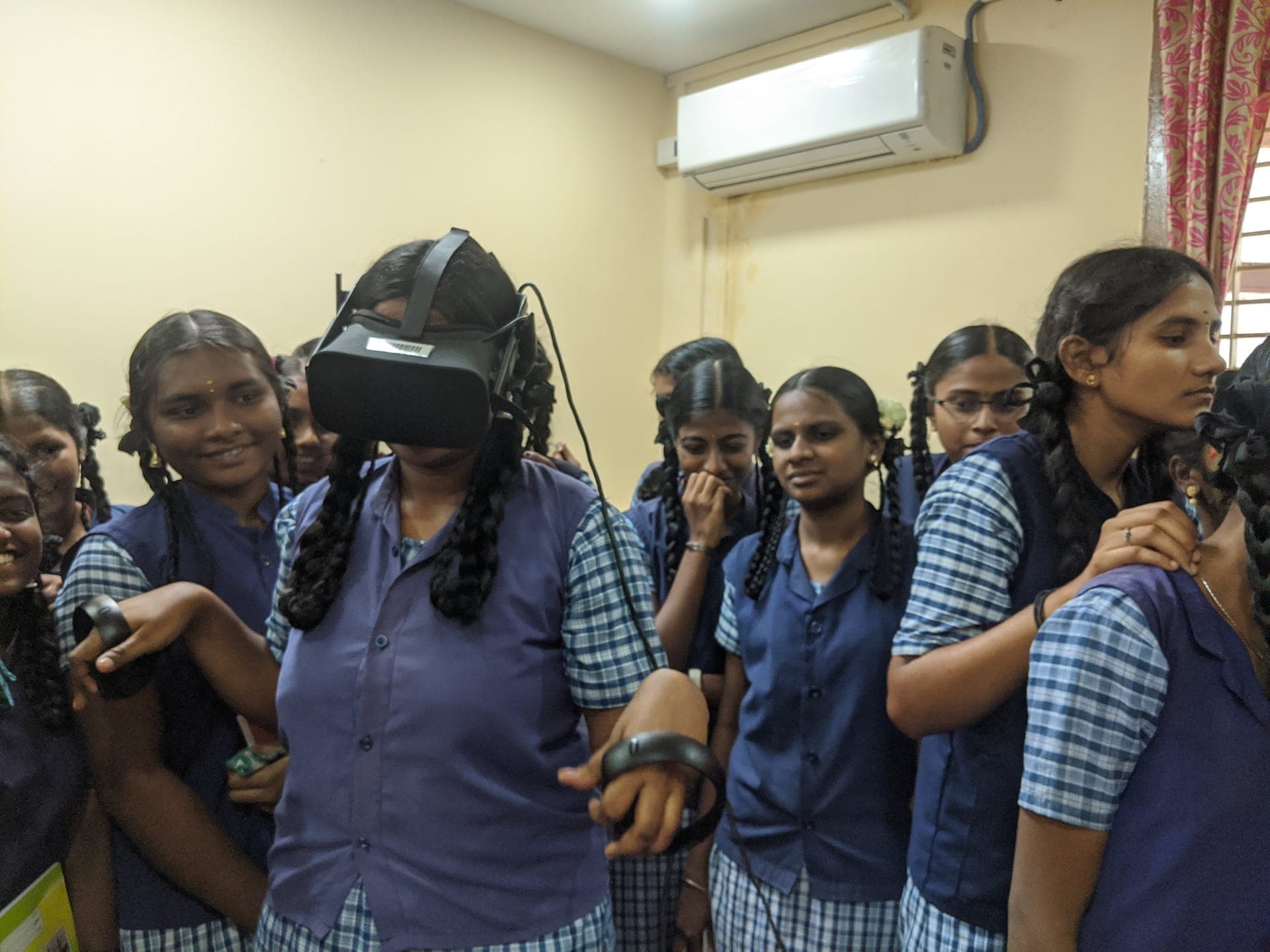
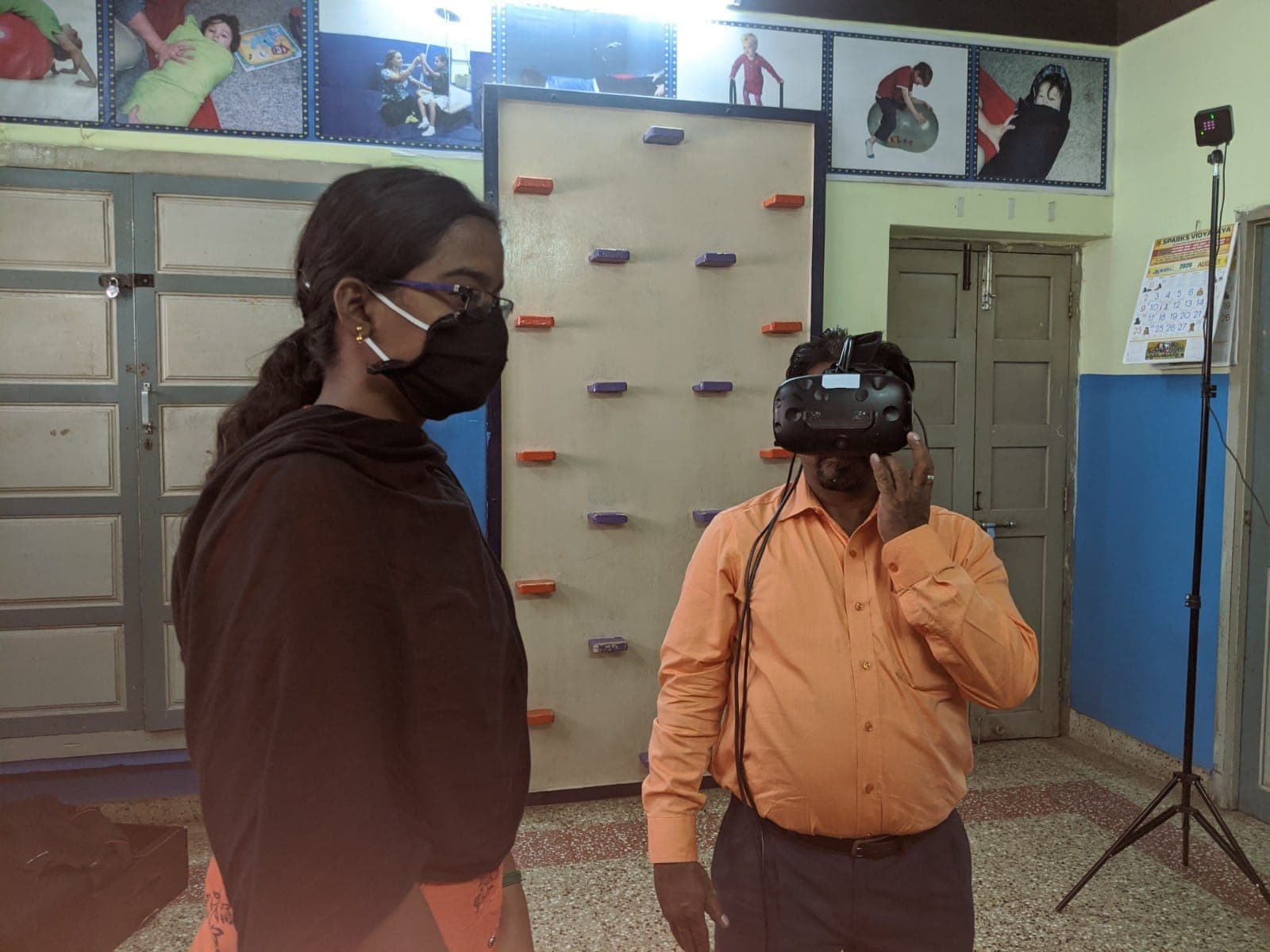
Equipment & Software
VR Headset
HTC Vive Pro
Standalone VR
Meta Quest 2 & 3
Input
Motion Tracking Sensors
Infrastructure
Kewaunee Lab Furniture
Compute
High-Performance Workstations
Software
Unity & Unreal Engine
2018
Established
Rs.33.8L
DST-CSRI Grant
33 peer-reviewed publications
Springer, IEEE, ACM, and international conferences across Italy, Malaysia, Singapore, and India. Representative papers below.
33
Publications
3
International
2020conference
VR-Based Cognitive Rehabilitation for Autism Children Using Compare and Contrast Methodology
Springer — International Conference on Human Interaction and Emerging Technologies (IHSI 2020)
2020conference
MIVRA — Mental Immersion in Virtual Reality Avatar: Social Communication Rehabilitation Assistive Tool for Autism Children
International Conference on Inventive Computation Technologies (ICI2CT 2020), National University of Singapore
For a complete list of publications and DOIs, please contact us.
Request Full Publication ListWant to be part of this?
Whether you are a parent, researcher, student, or funder — there is a place for you in this work.